Source Big Size Wheel Dynamic Balancer for Trucks, Buses, and Trailers
Compare 21 big size wheel dynamic balancer models from verified Chinese manufacturers. These machines support rim diameters up to 24 inches and handle wheel weights up to 200kg with high precision balancing accuracy; compare the available evidence and request quotations based on your requirements.
Key considerations
Products List




Comprehensive Sourcing Guide
Big Size Wheel Dynamic Balancer Sourcing Guide
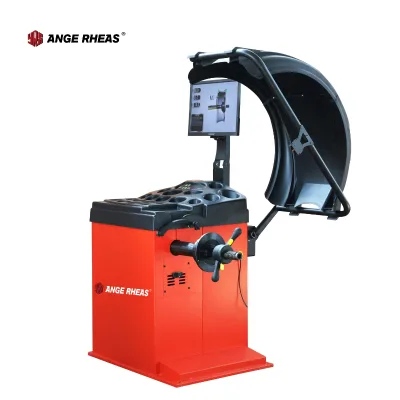
Procuring equipment for large-diameter wheels requires a distinct approach compared to standard passenger car tire balancing. The market offers specialized machinery designed to handle the significant mass and dimensional variance of heavy-duty tires, including those for trucks, buses, and industrial vehicles. Buyers must distinguish between off-car and on-car systems, as the operational workflow and floor space requirements differ substantially. Understanding these fundamental categories is the first step in aligning machinery capabilities with your workshop’s specific throughput needs and physical constraints.
The selection process involves evaluating whether a vertical or horizontal design best suits your facility’s layout and workflow efficiency. Vertical units often provide a more compact footprint while maintaining high precision for a wide range of rim sizes. Conversely, horizontal configurations may offer different ergonomic advantages for specific loading procedures. Each design type presents unique trade-offs regarding operator accessibility, maintenance access, and the speed of the balancing cycle, which directly impacts your daily operational capacity and labor costs.
Product Scope and Observed Listing Signals
Market listings for big size wheel dynamic balancers reveal a diverse range of specifications tailored to different vehicle classes. Observed data indicates that models exist for both small and big size wheels, with balancing ranges extending up to 24 inches in rim diameter and widths up to 20 inches. The maximum wheel weight capacity varies significantly across products, with some units supporting loads up to 200kg, while others are rated for lighter duties around 70kg. This variance necessitates careful verification of the specific weight and dimension limits to ensure the machine can handle your heaviest expected tire assemblies without risk of damage or inaccuracy.
Pricing and minimum order quantities (MOQ) in the observed range suggest flexibility for both single-unit purchases and bulk procurement. Prices span from approximately $1 to $1,800, reflecting differences in motor power, accuracy, and build quality. MOQs are typically low, ranging from 1 to 5 sets, which facilitates easier entry for smaller workshops or pilot deployments. Buyers should note that customization is available for many suppliers, allowing for tailored power supplies or specific interface requirements, though this may impact lead times and final pricing structures.
Technical Specifications to Verify
When evaluating technical performance, balancing accuracy is a critical metric that varies by vehicle type. High-end units offer precision of ±1g for cars and ±10g for trucks, ensuring optimal ride quality and tire longevity. Measuring times also differ, with some models completing a car wheel balance in 9 seconds and a truck wheel in 20 seconds, while others may take 8 seconds for standard applications. Faster cycle times reduce downtime and increase throughput, making this a key factor for high-volume service centers. Verify that the stated measuring time aligns with your operational pace requirements.
Motor power and rotational speed are essential for handling heavy rims without stalling or losing accuracy. Observed motor powers range from 0.32kw for lighter units to 0.55kw and higher for heavy-duty models. Rotational speeds can vary, with some units operating at 200 rpm and others at 160 rpm. Higher power ensures consistent performance with heavy wheels, while appropriate speed balances efficiency with safety. Additionally, check the net weight of the machine, which can range from 95kg to 260kg, as this affects installation stability and floor load requirements in your facility.
Compliance and Safety Documentation
Certification is a non-negotiable aspect of sourcing industrial balancing equipment, particularly when operating in regulated markets. Many observed units carry CE certification, indicating compliance with European health, safety, and environmental protection standards. Some listings also mention EAC certification, which is relevant for trade within the Eurasian Economic Union. Buyers must verify that the specific model they intend to purchase holds the necessary certifications for their target market, as documentation must match the hardware shipped. Request valid certificates from the supplier before finalizing any purchase agreement.
Noise levels and electrical safety are also critical compliance factors. Observed working noise levels are typically reported as less than 70dB(A) or around 70dB, which helps maintain a safer working environment for operators. Electrical specifications vary, with power supplies listed as 220V, 400V/220V, or 380V. Ensure that the machine’s power requirements match your facility’s electrical infrastructure to avoid costly modifications or operational failures. Confirming these details early prevents compliance gaps and ensures smooth integration into your existing workshop systems.
Cost Drivers and Commercial Terms
Several technical factors directly influence the final cost of a big size wheel dynamic balancer. Motor power, balancing accuracy, and maximum wheel weight capacity are primary drivers of price. Units capable of handling heavier wheels with higher precision and faster cycle times generally command a premium. Additionally, the design type, whether vertical or horizontal, can affect manufacturing complexity and cost. Buyers should assess whether the extra performance justifies the higher price point based on their specific volume and tire mix, rather than simply opting for the most expensive or cheapest option available.
Packaging and logistics also play a significant role in total landed cost. Standard export packaging is common, but some heavy-duty models may require wooden case packaging for protection during transit. The net weight of the machine, ranging from 95kg to 260kg, impacts shipping costs and handling requirements. Some listings indicate that up to 42 sets can be loaded into a 40-foot container, which is useful for bulk procurement planning. Understanding these logistical details helps in accurately forecasting the total investment required, including freight, insurance, and customs duties.
Supplier Qualification and Quality Control
Verifying supplier credibility is essential when sourcing specialized industrial equipment. Look for suppliers who provide detailed technical specifications and clear compliance documentation. The presence of specific model numbers, such as BL656 or BL0820R, indicates a standardized product line rather than a generic white-label offering. Suppliers who offer customization options often have more robust engineering capabilities, but this should be balanced against their ability to maintain consistent quality across orders. Request references or case studies from existing clients to validate their reliability and after-sales support.
Quality control processes should be explicitly discussed during the negotiation phase. Inquire about factory testing procedures, including second-time mounting tests which may show results of ≤5g, indicating high repeatability. Ask for details on the manufacturing standards followed, such as S909, S828, or STC758, if applicable. A reputable supplier will be transparent about their quality assurance protocols and willing to provide evidence of their production consistency. This due diligence helps mitigate the risk of receiving substandard equipment that may fail prematurely or deliver inaccurate results.
Long-Term Procurement Checks
Establishing a long-term relationship with a reliable supplier involves more than just the initial purchase. Consider the availability of spare parts and technical support for the specific models you are procuring. Units with complex electronic controls or high-power motors may require specialized maintenance. Verify the supplier’s commitment to providing manuals, software updates, and diagnostic tools. A supplier that offers comprehensive support ensures that your equipment remains operational and accurate over its lifespan, protecting your initial investment and minimizing downtime.
Regular performance audits of the installed equipment are also recommended to ensure ongoing compliance and efficiency. Monitor balancing accuracy and cycle times periodically to detect any drift in performance. If the machine is used for both car and truck wheels, ensure that the calibration procedures are followed correctly for each type. Engaging with the supplier for periodic maintenance checks can help identify potential issues before they become critical failures. This proactive approach extends the machine’s service life and maintains the high standards of service quality expected by your customers.
FAQs
What is the balancing accuracy for big size wheels?
The balancing accuracy is ±1g for cars and ±10g for trucks. This precision ensures optimal wheel performance and reduces vibration. The machine supports off-car balancing types, making it suitable for various vehicle sizes and weights up to 200kg.
How long does the balancing process take?
Measuring time is approximately 9 seconds for cars and 20 seconds for trucks. This efficient cycle time allows for quick turnaround in busy workshops. The second mounting test result is ≤5g, ensuring consistent quality and reliability for every wheel balanced.
Can the machine handle different rim sizes?
Yes, it accommodates rim diameters from 10 to 24 inches and widths from 1.5 to 20 inches. This wide range covers most standard and large-size wheels. The vertical design type supports stable operation for these dimensions, ensuring accurate results across various tire specifications.
What certifications does the balancer have?
The equipment holds CE certification, meeting European safety and quality standards. Some models also feature EAC certification for broader regional compliance. These certifications ensure the machine adheres to strict regulatory requirements, providing peace of mind for international buyers and workshop operators.
What is the net weight of the machine?
Net weight varies by model, ranging from 95kg to 260kg. Heavier models support larger wheel capacities up to 200kg. This weight ensures stability during high-speed rotation. The standard export packaging protects the unit during shipping, while wooden cases are available for extra protection.
Is customization available for these balancers?
Customization is available to meet specific workshop requirements. Buyers can request tailored specifications or packaging options. This flexibility allows businesses to adapt the equipment to their unique operational needs. Contact suppliers directly to discuss custom configurations and ensure the machine fits your workflow perfectly.